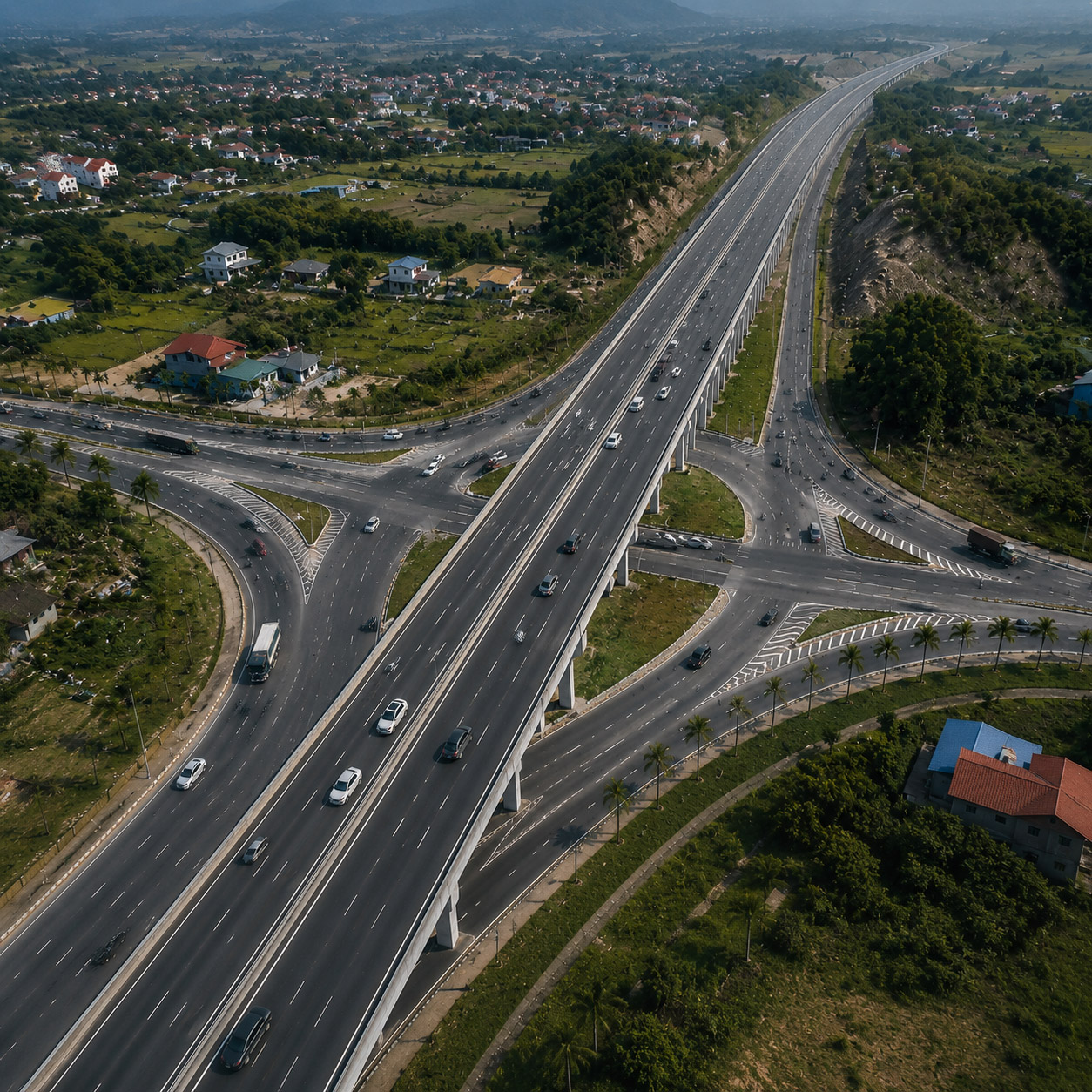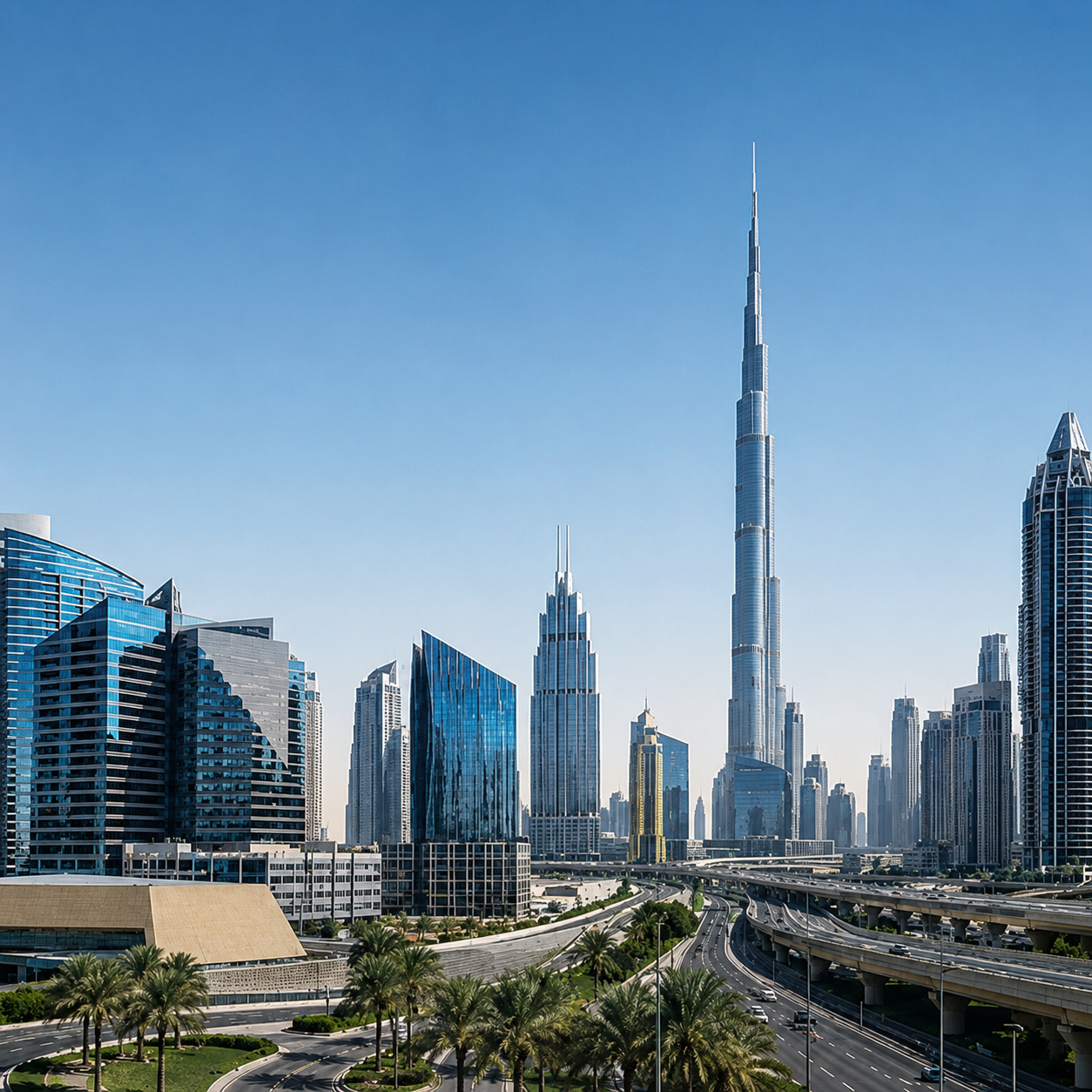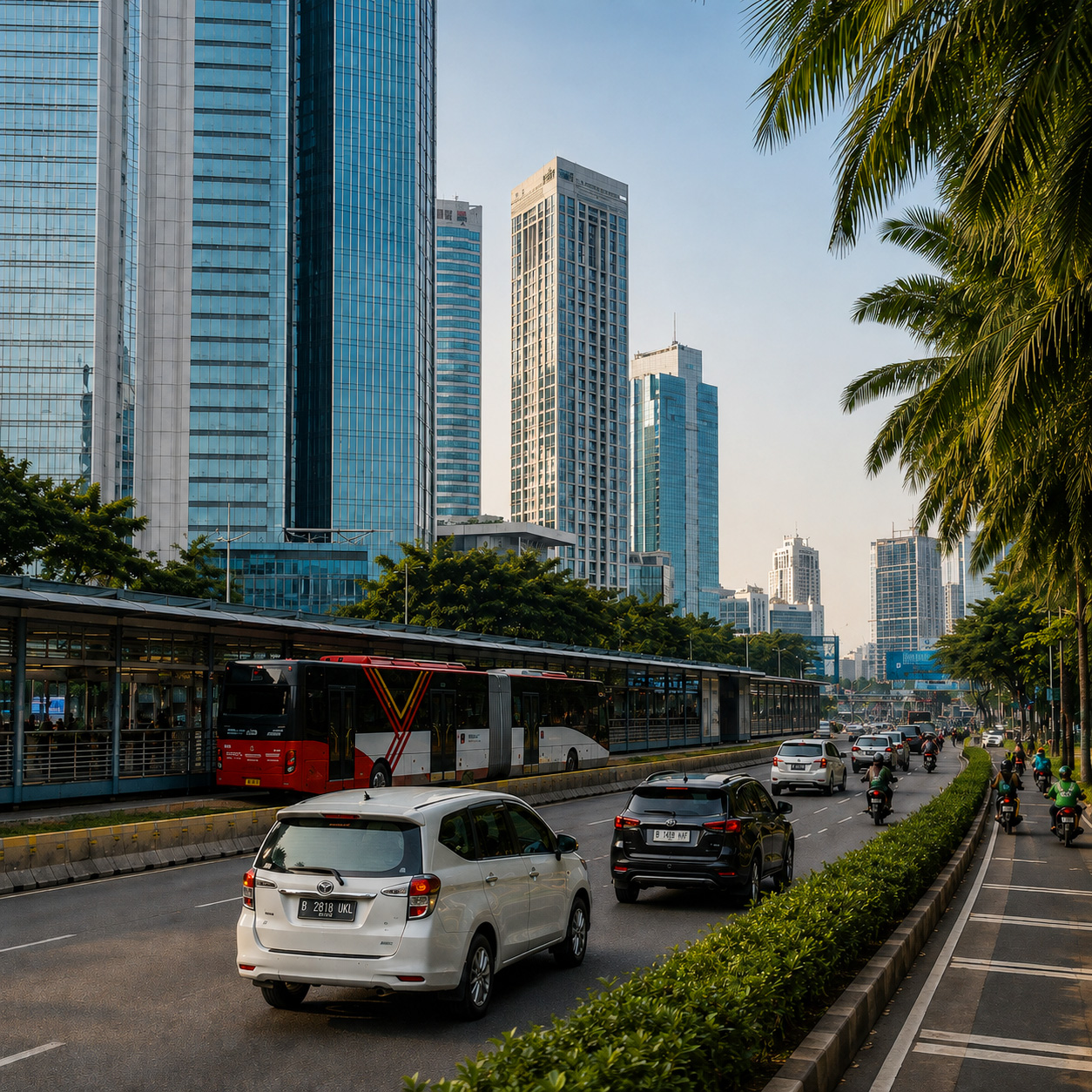
Blurobi has extended the prediction models used in its traffic products, so that flow estimates are produced at the edge from fused video and radar data rather than from loops or historical averages alone. Queue length, turning movements and saturation are estimated continuously and reported as structured events.
Fusion is what makes the estimate hold up. Radar contributes range and speed under conditions that degrade cameras; video contributes classification and lane-level detail. Combining them in the perception unit removes single-sensor failure modes before the data leaves the pole.
For traffic managers the output is deliberately operational: corridors ranked by where a change in timing would help, and recommendations that can be accepted or overridden. Nothing is applied to a signal plan without a human decision.
The models are running in production intersections and are being extended to corridors where several junctions need to be coordinated rather than optimised one at a time.